

Mind & Behavior
Why Humans Sleep—and What Scientists Are Still Discovering
We spend roughly a third of life asleep, yet the core purpose of sleep is still debated. Here is what is well supported, and what remains open.
Topic
Sleep, memory, movement, and the body's range.
Your body keeps running whether or not you pay attention: a clock sets your sleepiness, a memory is quietly rebuilt each time you recall it, and your lungs adjust when the air thins. This hub tours those hidden processes in plain language.
Biology invites overconfidence, so we mark open questions, such as why sleep evolved. Articles are educational and are not medical advice. If something here makes you worry about your own health, a clinician is the right next step.
Start here
Mind & Behavior
We spend roughly a third of life asleep, yet the core purpose of sleep is still debated. Here is what is well supported, and what remains open.
In Science & the Body

Mind & Behavior
Remembering is closer to rebuilding a scene than replaying a recording. Classic experiments show how details shift, and why the research is still debated.

Meaning & Everyday Life
Physical activity is linked to better health, mood and thinking. Trials suggest modest cognitive benefits, so here is what is solid and what is overhyped.
Mind & Behavior
We spend roughly a third of life asleep, yet the core purpose of sleep is still debated. Here is what is well supported, and what remains…

Culture & Society
Writing was invented in several places, often to count goods, and it gave memory a home outside the head. What it changed is still debated.

History & Origins
Humans did not march across the globe in one wave. Fossils, DNA and footprints show repeated journeys, and the dates are still argued over.

History & Origins
Thin mountain air, long breath-hold dives and Arctic diets show humans adapting through genes, physiology and culture. The evidence varies in strength.
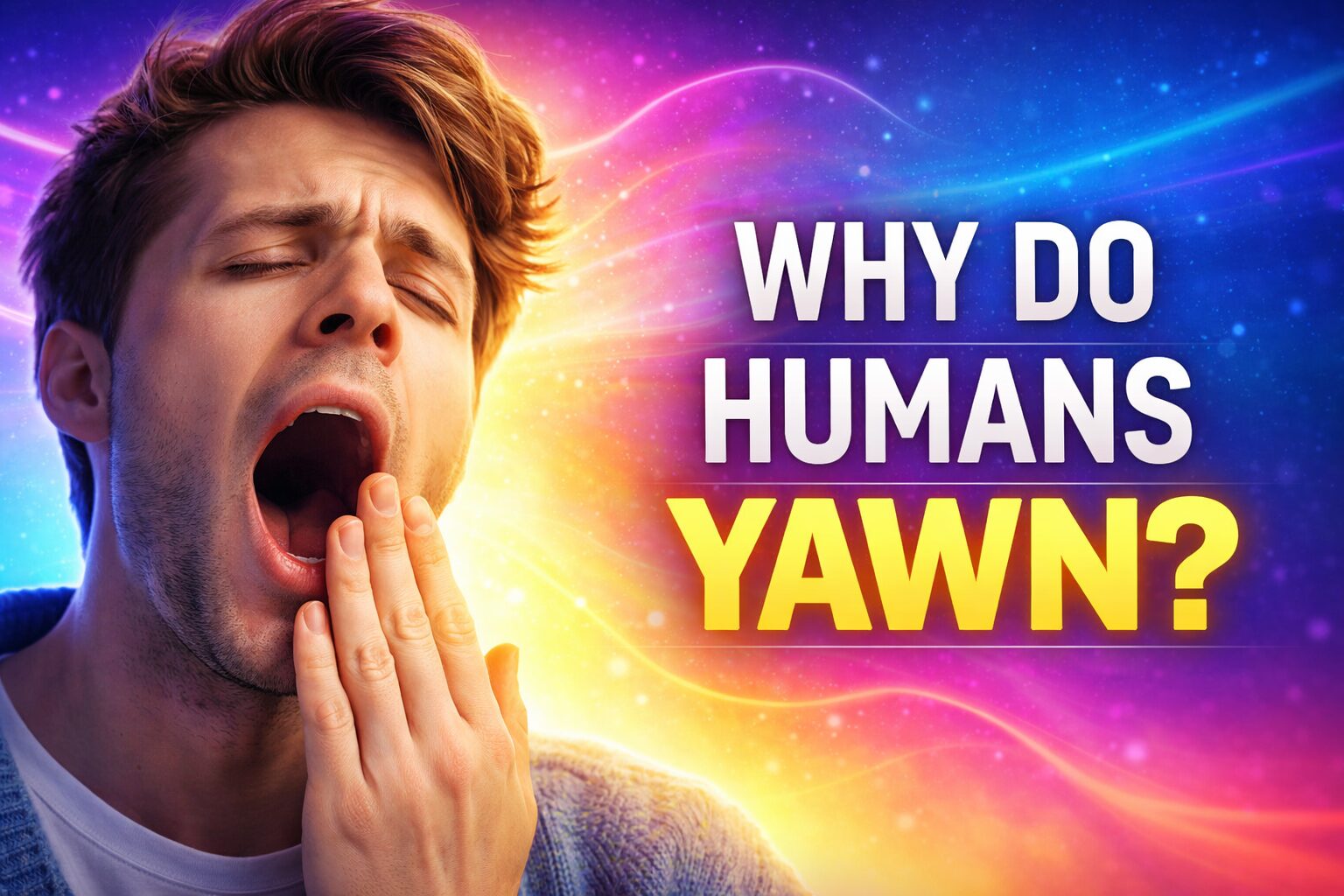
Science & the Body
Nearly every vertebrate yawns, yet scientists still disagree about why. Brain cooling, arousal and social contagion are all on the table, with mixed evidence.
Watch
 Length 4:10
Science & the Body
An episode on mental fatigue in a connected world, covering cognitive overload, decision fatigue, stress and recovery. Its description carries a note to…
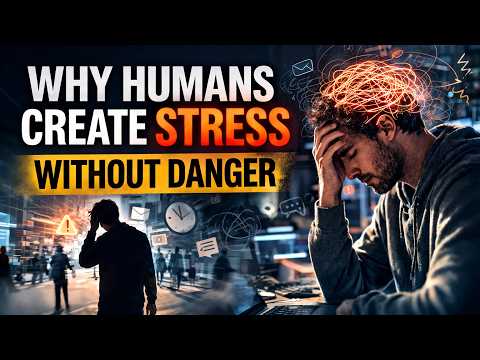 Length 3:20
Science & the Body
An episode about stress that comes from thoughts and expectations rather than physical threats, and how the stress response evolved.
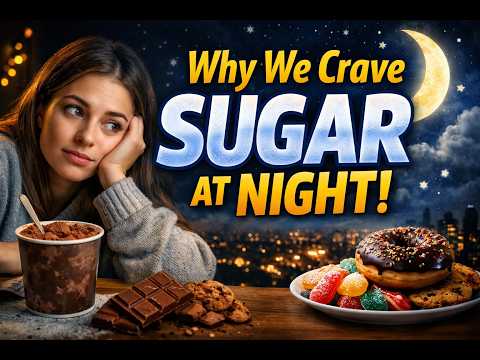 Length 2:04
Science & the Body
A short film on late-night cravings that mentions stress, blood sugar, sleep patterns and habit as possible contributors.
Try it
Vocabulary
Go deeper
The US public health agency's website, with plain-language pages on diseases, prevention and data. Reflects US public health perspectives; educational rather than personal medical advice.
Link checked October 21, 2026
The European Space Agency's education site, with classroom resources, a kids' section and opportunities for students and early-career professionals. Some programmes have separate application steps.
Link checked October 21, 2026
A San Francisco science museum whose website shares exhibits, online collections and hands-on ideas about perception, physics and human behaviour.
Link checked October 21, 2026
An independent educational nonprofit with free tools and teaching materials for exploring global trends and correcting common misconceptions with data.
Link checked October 21, 2026
Free biology-teaching resources and professional learning for educators. Some featured items need a free account to view.
Link checked October 21, 2026
A nonprofit offering free lessons and practice across school subjects, including history, science and economics. An account lets you save progress.
Link checked October 21, 2026
Learn in order

5 lessons About 4 hours
Five lessons on how thinking loops, delays, memories and beliefs actually work.

5 lessons About 4 hours
From early journeys to farms, cities, writing and shared stories, with the uncertainty left in.