
Mind & Behavior
Why Your Memory Is a Reconstruction
Remembering is closer to rebuilding a scene than replaying a recording. Classic experiments show how details shift, and why the research is still debated.
The library
Explainers on how people think, feel, build and believe. Every article lists its sources and says where the evidence is thin.
Mind & Behavior
Remembering is closer to rebuilding a scene than replaying a recording. Classic experiments show how details shift, and why the research is still debated.

Emotions & Relationships
Festinger's social comparison theory, what experiments show about upward and downward comparison, and why social media findings are mixed.

Culture & Society
Is music a universal language? Large cross-cultural studies find shared patterns and wide diversity, while the origins of music remain debated.

Meaning & Everyday Life
Physical activity is linked to better health, mood and thinking. Trials suggest modest cognitive benefits, so here is what is solid and what is overhyped.

Technology & the Future
Curiosity, safety, cooperation, prestige and awe: the overlapping reasons for leaving Earth, the objections, and where the Artemis program stands in October 2026.

Culture & Society
From Mesoamerican ballcourts to Greek festivals and board games across continents, a look at Huizinga's play theory and why games gather weight.

Culture & Society
What do stories do for groups? A study of Agta foragers, oral epics, and contested traditions suggests they help people share norms, memory, and trust.

Mind & Behavior
We spend roughly a third of life asleep, yet the core purpose of sleep is still debated. Here is what is well supported, and what remains…

Emotions & Relationships
A closer look at the belongingness hypothesis: what it claims, what supports it, and where the evidence is still more suggestive than settled.

Culture & Society
Cities arose in several regions in different forms. They brought new work, trade and institutions, and also inequality, risk and collapse.

Meaning & Everyday Life
Wanting to change and actually changing are different problems. Status quo bias, habit research and stage models each explain a piece, and each has limits.

Emotions & Relationships
Awe pulls attention away from the self. Researchers link it to humility and generosity, but much of the evidence is young and still being tested.

Technology & the Future
What WEF, ILO, Stanford and MIT studies from 2025 and 2026 say about AI and work, how to read them, and which skills the evidence points…

Technology & the Future
AI can ace some expert tests yet struggle with household tasks. What that jagged picture, and an old philosophy puzzle, tell us about minds.

Emotions & Relationships
Aristotle, a Harvard study and the money-and-happiness debate each offer a clue to a well-lived life. None gives a formula, and each has limits.

Creativity & Achievement
Edison, the Wright brothers, penicillin and Post-it Notes: how failed attempts help invention, when they do not, and which famous stories are shaky.

Culture & Society
Farming began in many places, at different times, with different crops. It brought new food, new work and new costs, and the story is far from…

Creativity & Achievement
Bletchley Park, the double helix and the Nobel rules show how big achievements depend on teams, and how credit often goes to just a few names.

Culture & Society
Writing was invented in several places, often to count goods, and it gave memory a home outside the head. What it changed is still debated.

Culture & Society
What trust is made of, why competence and integrity failures call for different responses, and what experiments on apology, denial, and silence found.

Technology & the Future
From Herbert Simon's 1971 idea to today's screens: what research shows about attention, what is only correlation, and where scientists disagree.

Culture & Society
Kimjang, iftar, and the French meal show how cultures shape shared eating; Dunbar's UK survey links it to wellbeing, but only as a correlation.

History & Origins
Humans did not march across the globe in one wave. Fossils, DNA and footprints show repeated journeys, and the dates are still argued over.

Creativity & Achievement
From the first four-minute mile to chess masters, what research says about how skills are built, and why the 10,000-hour rule is a misreading.

History & Origins
Thin mountain air, long breath-hold dives and Arctic diets show humans adapting through genes, physiology and culture. The evidence varies in strength.

Creativity & Achievement
What cave art from Sulawesi, Spain and France can and cannot tell us about when and why people began making images, and how that connects to…

Meaning & Everyday Life
Many adults feel years rush by, yet studies find the age effect small. Three explanations compared: proportion, memory and time pressure.

Culture & Society
Repetition, fluency, identity and trust all shape what feels true. What research shows about false beliefs, what backfires less than assumed, and what helps.

Meaning & Everyday Life
Psychologists separate having meaning from searching for it. Here is what research on purpose, coherence and significance suggests, and where it stops.

Mind & Behavior
Distraction is less a character flaw than a mismatch between a flexible attention system and an environment full of interruptions. Here is what research shows.
Emotions & Relationships
Loneliness is a gap between the connection we have and the connection we want, which is why it can show up in a crowd. What research…
Emotions & Relationships
Why a single remark can replay for hours, how reflection differs from rumination, and what researchers say helps thinking turn useful again.

Mind & Behavior
Why do people put obstacles in their own way just as something important nears? Research on self-handicapping points to protection, not mystery.
Mind & Behavior
The claim that people now have shorter attention spans than goldfish is unsupported. Here is what research does show about distraction and ADHD.

Emotions & Relationships
Most people lie less than they think others do, and a few lie a lot. Studies of everyday dishonesty show who lies, why, and how self-image…
Meaning & Everyday Life
Procrastination is often less about time management than about avoiding a feeling. What research on mood, tasks and self-control says, and its limits.

Science & the Body
Nearly every vertebrate yawns, yet scientists still disagree about why. Brain cooling, arousal and social contagion are all on the table, with mixed evidence.

Technology & the Future
Technology changes what we do each day, but 'evolution' is the wrong word. What studies on screens, interruptions and well-being actually show.

Meaning & Everyday Life
Balance is less a fixed state than a pattern of meeting a few basic needs in a setting that helps or hinders. What motivation research and…
Culture & Society
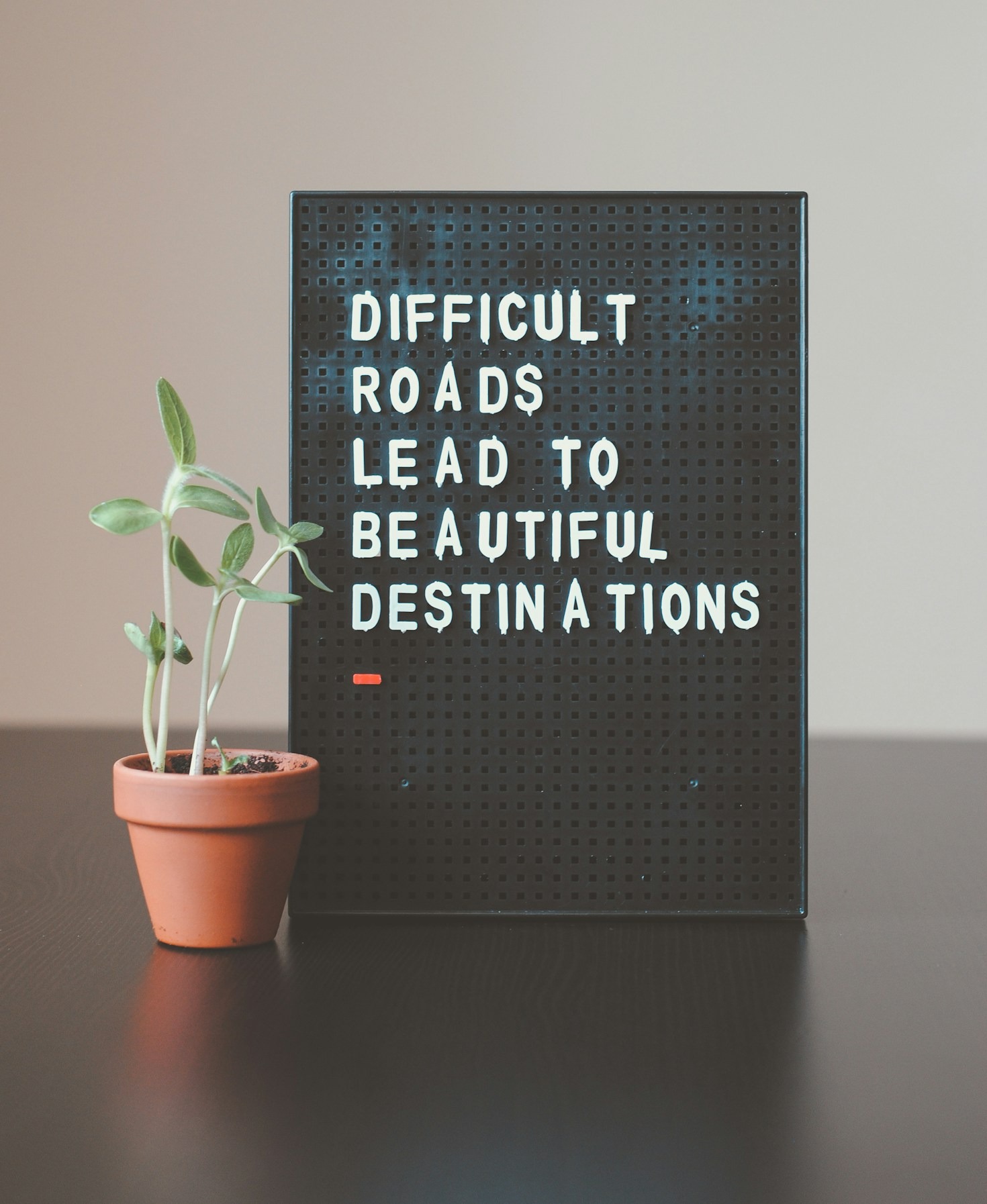
Minds are shaped by the social worlds they grow up in, and societies are made of minds. Three lenses: culture, circumstances and media, each with limits.
Meaning & Everyday Life
A sense of purpose is linked with better outcomes, but the research is observational. How to look for direction without waiting for certainty.
Nothing matches those filters. Try clearing one.