
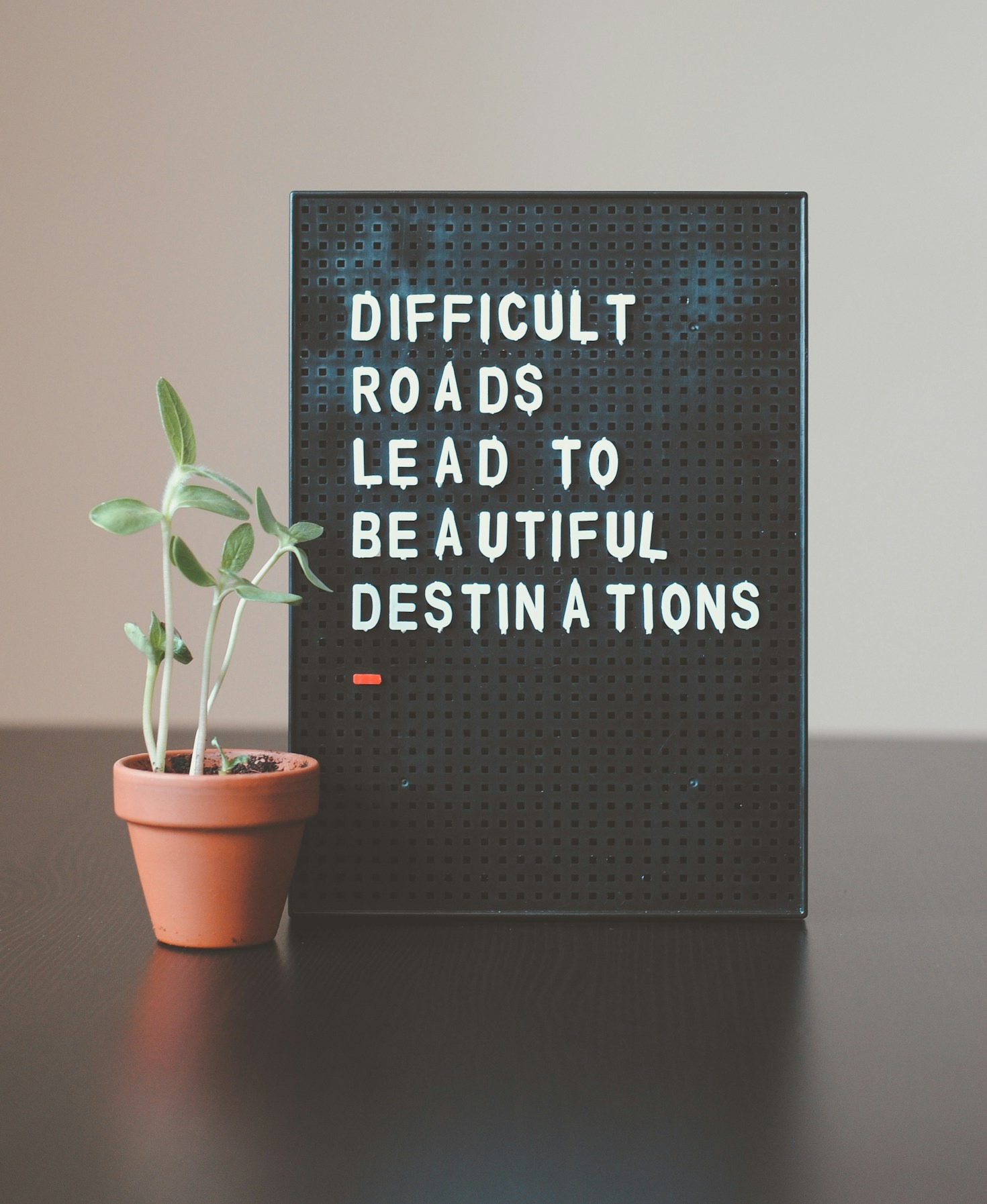
Exploring the Interconnection Between Mind and Society
How individual psychology and collective culture shape each other
Human beings do not exist in isolation. Every thought, belief, emotion, and decision develops within a broader social environment. Society influences the mind — and the mind, in turn, continuously shapes society.
Understanding this interconnection is essential in the modern era. Rapid technological progress, global communication, shifting economic structures, and evolving cultural norms are transforming how individuals think, relate, and define meaning.
This article explores how psychological processes and social forces interact — and why recognizing this relationship is key to personal balance and collective progress.
1. The Social Origins of the Individual Mind
From the earliest stages of life, human psychology is molded through interaction.
Language, values, identity, and emotional responses develop within:
- Family systems
- Cultural traditions
- Educational environments
- Social expectations
Even seemingly personal beliefs are often influenced by collective narratives.
For example:
- Ideas about success may reflect societal definitions of achievement
- Attitudes toward risk can be shaped by economic conditions
- Emotional expression may be guided by cultural norms
The mind is therefore not only biological — it is also social.
Psychological insight:
To understand oneself fully, it is important to understand the environment in which one’s beliefs and behaviors were formed.
2. Social Structures Influence Psychological Well-Being
Societal conditions play a major role in mental health.
Factors such as:
- Economic stability
- Access to education
- Community support
- Workplace culture
- Media exposure
can significantly affect stress levels, motivation, and overall life satisfaction.
When social systems are unpredictable or demanding, individuals may experience:
- Increased anxiety
- Decision paralysis
- Loss of long-term perspective
- Emotional fatigue
Conversely, supportive environments can foster resilience, creativity, and growth.
Psychological insight:
Personal well-being is not solely an individual responsibility.
It is also shaped by collective structures.
3. The Feedback Loop Between Individual Behavior and Cultural Change
Society evolves through the accumulation of individual actions.
Innovations, social movements, and cultural shifts often begin with changes in perception at the individual level.
Examples include:
- New attitudes toward technology
- Changing views on work-life balance
- Greater awareness of mental health
- Shifts in communication patterns
As individuals adapt, they influence group norms — which then influence future generations.
This creates a continuous psychological and social feedback loop.
Psychological insight:
Small personal choices can contribute to large societal transformations over time.
4. Media and Technology as Psychological Environments
Modern society is increasingly shaped by digital ecosystems.
Social media, algorithmic content, and instant communication have created new psychological realities:
- Constant comparison with others
- Pressure to maintain an online identity
- Rapid spread of information and misinformation
- Reduced boundaries between public and private life
While technology offers opportunity and connection, it can also amplify emotional reactivity and attention fragmentation.
The mind must now navigate not only physical surroundings — but also complex virtual environments.
Psychological insight:
A balanced relationship with technology requires conscious awareness of its psychological effects.
5. Identity Formation in a Globalized World
Globalization has expanded exposure to diverse cultures, ideas, and lifestyles.
This can enrich personal identity but may also introduce uncertainty:
- Traditional roles are evolving
- Career paths are less predictable
- Cultural values may conflict or merge
Individuals increasingly construct identity through choice rather than inheritance.
This process can be empowering — yet psychologically demanding.
Developing a stable internal framework of values helps maintain direction amid social complexity.
Psychological insight:
Identity is shaped through interaction between personal reflection and societal influence.
6. Collective Emotions and Social Climate
Societies experience shared emotional states.
Periods of optimism, fear, or uncertainty often emerge in response to:
- Economic trends
- political events
- technological disruptions
- global challenges
These collective moods can influence individual psychology.
For instance:
- Widespread uncertainty may heighten personal anxiety
- Cultural enthusiasm for innovation may increase motivation
- Social polarization can intensify emotional conflict
Understanding this dynamic helps individuals interpret their experiences more accurately.
Psychological insight:
Not all emotions originate solely within the individual — some reflect broader social currents.
7. Responsibility and Agency in an Interconnected World
Recognizing the interconnection between mind and society raises important questions:
- How much control do individuals have over their psychological state?
- How can societies create environments that support mental well-being?
- What role does awareness play in shaping healthier cultures?
While social conditions influence thought and behavior, individuals retain the capacity for reflection and intentional action.
Cultivating awareness allows people to:
- Question limiting narratives
- Choose values aligned with well-being
- Contribute positively to their communities
In this way, psychological growth and social progress become mutually reinforcing.
Conclusion: Toward a Conscious Relationship Between Self and Society
The relationship between mind and society is dynamic and continuous.
Human psychology is shaped by cultural context — yet individuals also shape the future of culture through their perceptions and actions.
In an era of rapid change, recognizing this interdependence is increasingly important.
A balanced life involves not only managing internal thoughts and emotions but also understanding the broader systems that influence them.
By developing psychological insight and social awareness, individuals can:
- Navigate complexity with greater clarity
- Build meaningful connections
- Participate constructively in cultural evolution
- Create environments that support collective well-being
Ultimately, exploring the interconnection between mind and society is not just an academic exercise.
It is a pathway toward more conscious living — both individually and collectively.
Leave a Reply